Colors of Costa Rica 9-Day Photography Workshop

Colors of Costa 9-Day Rica Photography Workshop
Bordered by Nicaragua to the north, Panama to the south, the Pacific Ocean to the west and Caribbean Sea to the east, Costa Rica (translated it means, "rich coast") is indeed a rich land of amazing diversity. With its lush tropical rainforests, quiet beaches, vast coastal wetlands and volcanic cloud forests, it is easy to see why Costa Rica is a top travel destination. It is definitely a birder's paradise, a botanist's dream, a herpetologist's jackpot and for Aperture Academy, a photographer's ultimate playground. Join us at Aperture Academy for a week of photography as diverse as the country.
A person could spend months, even years in Costa Rica and still not see the completeness of its biodiversity, so to get the most out of our time there, we have decided to concentrate on three distinctly different, but incredibly productive, regions ranging from Mountain Cloud Forest all the way to the lush jungles along the Atlantic Coast.
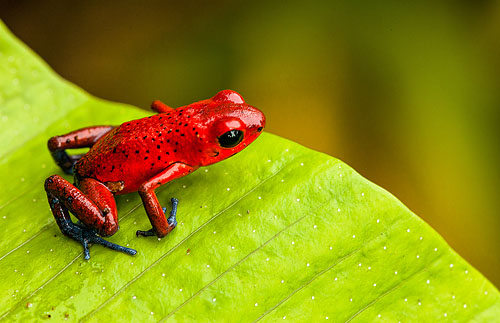
The sky's the limit on photographic subject matter, but particular emphasis and time will be directed towards gathering professional quality images of various species of birds, especially hummingbirds, as well as other opportunistic wildlife offerings. We'll be working with highly experienced local naturalists, and their amazing skills at locating the hidden wildlife all around is truly astounding. With over 700 species of birds listed for Costa Rica, there certainly won't be a dearth of bird subjects to photograph. After the birds bed down at the end of the day, night flash photography skills will be introduced as we trek into the night forest and seek out the colorful frogs and insects the region is famous for. You'll experience how the jungle forest comes alive at night with a cacophony of sights and sounds, and we will be there with our cameras to capture the moments. A walk through a rainforest at night is truly an unforgettable experience.
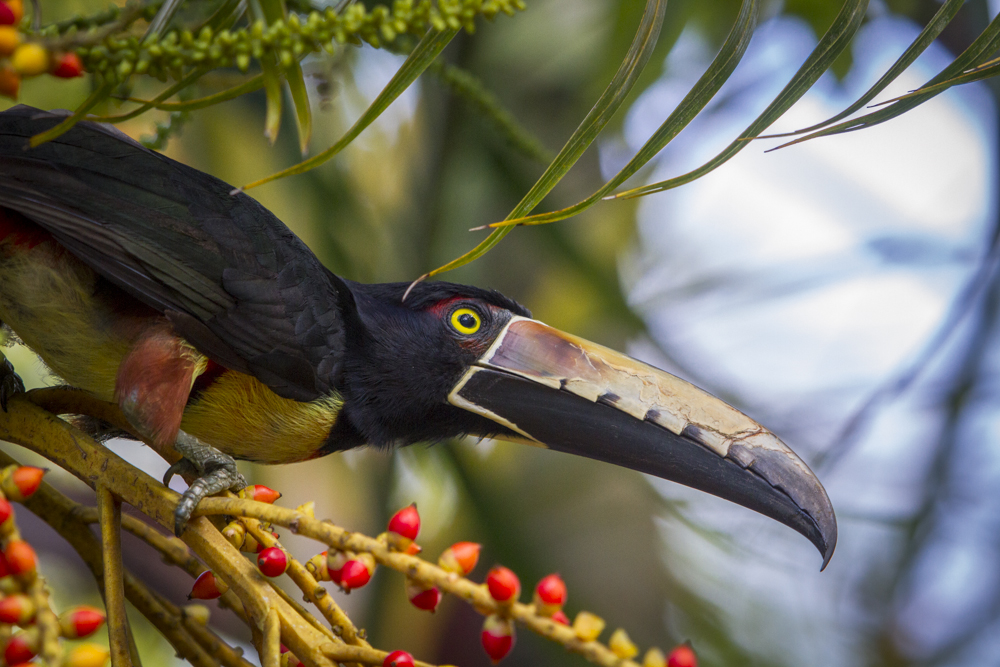 © Ellie Stone - Aperture Academy InstructorEven more diverse than the wildlife is the plant life of Costa Rica, as it is home to over 9,000 identified species of plants (with more described each year). At each of our carefully chosen locations, in addition to the natural flora of the area, extensive gardens will provide a wealth of incredible subject matter. For the plant life of Costa Rica, we will definitely be pulling out our macro lenses and working on the delicate abstracts and subtle techniques indicative of this style of photography.
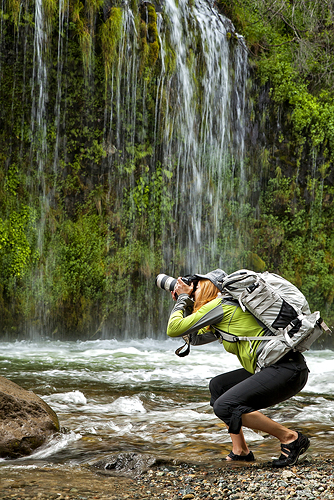
Costa Rica is also known for its abundance of water, specifically its myriad of mountain streams and waterfalls and time, techniques and instruction will certainly be devoted towards capturing the grace of moving water.
In addition, to help get the most "pop" out of our images, there will be casual sit down sessions to highlight various Photoshop and post-processing techniques. So bring a laptop, a glass of wine, and your images from the day as we work to get the most out of your images!
What to Expect
This workshop was designed by photographers, for photographers. With that in mind, we've painstakingly designed an itinerary that maximizes your opportunity to capture professional quality images.
We are going to be photographing many species of birds, amphibians, and other types of wildlife, along with the abundant and colorful flora. Also, don't forget about the lush jungle, cascades of elegant streams, and powerful waterfalls!
Along with pro photography instructors, you'll be led by expert local guides. Not only will our guides be putting us in the best possible locations to capture award-winning images, they'll be bringing the birds to us. Yes, you read that correctly, they bring the birds closer to us. Each expert guide is equipped with an iPod, and rather than the latest Justin Bieber song, it's loaded with thousands of bird calls. Once they quickly identify which birds are in the area, that bird's specific call is played on a small but powerful speaker. Our instructors can personally attest to how well the birds respond and come into the prime photographic distance!
 © Ellie Stone - Aperture Academy InstructorDue to its proximity to the equator, the sun and the animals rise early in Costa Rica (approx. 5:15-5:30 am). Therefore, we'll be getting an early start every day, in order to maximize our photographic opportunities at capturing these beautiful creatures. The mid-day can be spent as you like. Either take this time for a quick siesta, a dip in the pool, or even image review and critique with your instructors.
In the afternoon, we'll head back out for more excellent photography, of both wildlife and copious amounts of exquisite flora. We'll even be doing a little night time photography, utilizing our flashes to capture the remarkable and colorful frogs of Costa Rica.
Group Size
We designed this trip with these three things in mind: photography, comfort, and learning... oh, and fun! Guess that makes it four things. While thinking of these things, we decided to limit the group size to 7. We will oftentimes split up into two groups, to offer the ease of image capturing, without competing, or jockeying for position.
Along with your instructor, 2 expert guides (and in one location an additional 2 naturalist guides), we'll keep the ratio low, the comfort high, and most of all the learning experience maximized.
Itinerary
 © Ellie Stone - Aperture Academy InstructorSaturday, Mar 30, 2024: Arrival Capital of Costa Rica, San Jose (SJO), Costa Rica (TG)
Sunday, Mar 31, 2024: City of San Jose – Arenal Volcano National Park Region
Monday, Apr 01, 2024: Arenal Volcano National Park Region
Tuesday, Apr 02, 2024: Arenal Volcano National Park Region - Bajos del Toro Region
Wednesday, Apr 03, 2024: Bajos del Toro Region
Thursday, Apr 04, 2024: Bajos del Toro Region – City of San Jose - Tortuguero National Park Region
Friday, Apr 05, 2024: Tortuguero National Park Region
Saturday, Apr 06, 2024: Tortuguero National Park Region – City of San Jose – Carara Park
Sunday, Apr 07, 2024: Capital of Costa Rica, San Jose - Departure
A full itinerary will be emailed to you upon booking! If you are on the fence about joining us, please email Monique at Monique@ApertureAcademy.com for more details.
|
Travel and Lodging
 © Ellie Stone - Aperture Academy Instructor © Ellie Stone - Aperture Academy Instructor
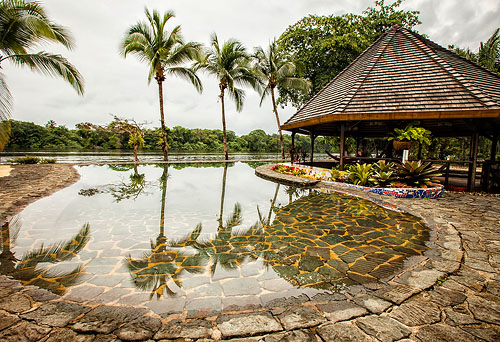
We've chosen the hotels, not only for proximity to nature and the best photography, but also for comfort and cleanliness. When we are staying in the San José area, the hotel Bougainvillea offers luxurious rooms with all the amenities. You'll have a television, phone, and wi-fi, along with some outstanding garden areas to meander through, or even sit and read a book.
Once we head into more remote areas, the rooms are just as clean and inviting, but you may not have wi-fi, or even a television. Taking in the sounds and reconnecting with nature, will be soul soothing.
At all locations, one can't help but feel a warm Costa Rican spirit. It's as if a close friend has welcomed you into their home where the scent of home cooked meals and friendly table chatter permeate the room.
|
Meet Our Workshop Pro Instructors...
Meet our master instructors and learn what qualifies them to give you a great experience during your workshops! While you're joining us, you will receive comprehensive digital photography instruction and tutoring by our team of award-winning photographers.
What's included in the price?  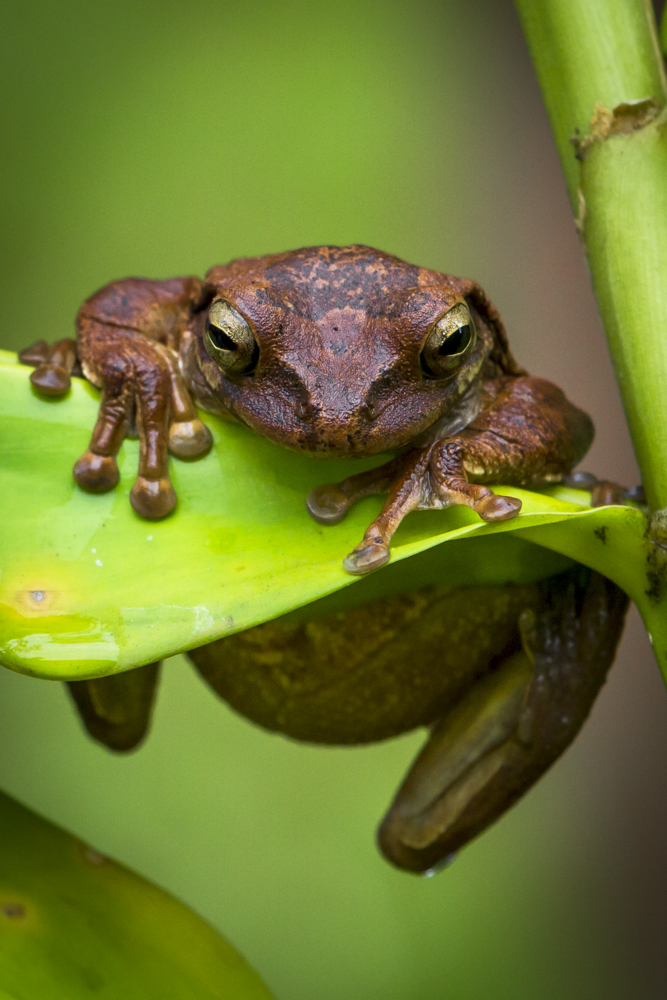 © Ellie Stone - Aperture Academy InstructorWhat's not included in the price? What type of camera equipment do I need? Since we'll also be photographing a lot of the tropical flora, a macro lens is a must. Most camera manufacturers offer some type of macro lens. These lenses enable you to get up close to flowers, bugs, frogs, and even moss, to capture the beautiful details at an ideal focal distance. Again, if you don't have a macro lens, you can rent one from www.borrowlenses.com for just the length of your trip.
Lastly, a wide angle lens of approximately 17-40, or 24-105, will come in handy for our waterfall and cascade photography. Oftentimes, the best images of water are when you're standing right in it (with a very gentle current only).
You'll also need a camera rain jacket or cover, in case we encounter some light sprinkles. Don't forget, we will be in the rain forest, so an occasional sprinkle is quite common, and it's what keeps things so beautiful. You can find these camera and lens rain covers at all sorts of retailers, such as www.bhphoto.com, www.adorama.com, or www.amazon.com.
A sturdy, lighter weight tripod is a necessity, especially if you have a large lens. At times we may be photographing birds in one location for more than an hour, so holding a big heavy lens can make you tired. Also, a tripod is essential for our longer exposures of waterfalls and cascades.
Make sure you bring sufficient memory cards, especially if you tend to be heavy on the trigger finger. Multiple 16gb and 8gb cards are a good idea, as is an external hard drive to back up your images (500gb minimum) with your laptop. If you want to view your images, get feedback and photo editing skills, your laptop is a must have.
 © Ellie Stone - Aperture Academy InstructorAn external flash or strobe will be needed if you would like to do the night time shooting of frogs and another nocturnal creatures, during our night walks at the Tortuga Lodge. These can also be rented, if you don't have your own.
 Need Gear? Visit BorrowLenses for a special package designed specifically for Aperture Academy students for this workshop. Need Gear? Visit BorrowLenses for a special package designed specifically for Aperture Academy students for this workshop.
Is this a tour or workshop? What language do they speak in Costa Rica? A common phrase you'll hear from native Costa Ricans (or Ticos) is Pura Vida! Literally means "Pure Life," and translates to "everything's great."
What is the currency in Costa Rica? What type of food will we be eating? 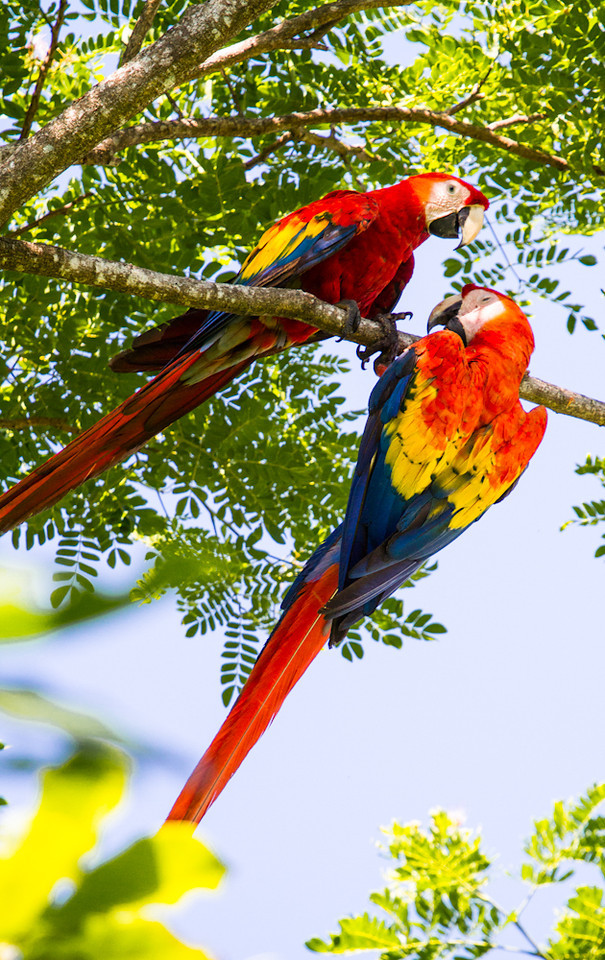 © Ellie Stone - Aperture Academy InstructorAre there any baggage limitations during the trip? What will the weather be like? The overall temperatures are fairly moderate. Morning lows may be in the low 60s, with afternoons in the low 80s. Dressing in layers is always recommended for optimal comfort. When the afternoon sun shines on you, your core temp can heat up relatively quickly.
A wide brim hat and sunscreen are going to be your best friend. Another BFF on this trip is going to be bug spray! Especially if you know you're the kind of person that mosquitoes seem to adore. They will find you in Costa Rica, so don't forget the bug repellent. Dressing in light clothes that cover you up can also be effective in eliminating bug bites.
I plan on traveling alone. Do I need to bring someone? Do you recommend trip insurance? 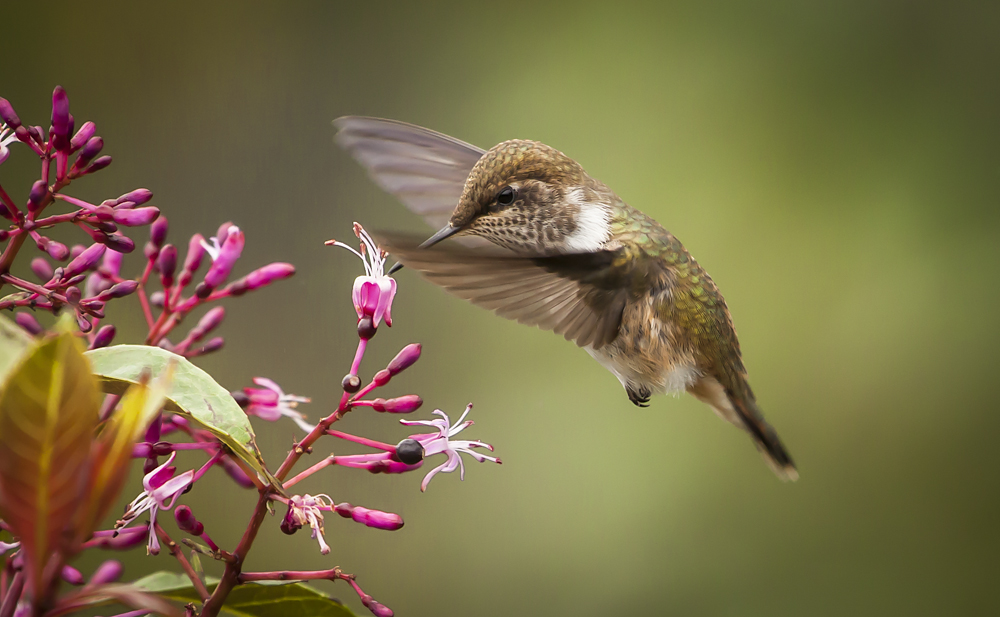 © Ellie Stone - Aperture Academy InstructorDo I need a passport to visit Costa Rica? Do I need vaccinations to visit Costa Rica? Have more questions?
No problem! We are happy to answer them: Email Aperture Academy
Workshop Price and Deposit
 © Ellie Stone - Aperture Academy InstructorThe workshop fee is $5,395. A $1500 non-refundable deposit is required to secure your space. Balance is due by February 1st, 2024. Due to the exclusivity of this trip, and the limited number of seats available, refunds are as follows:
- Refundable Balance: 150 days (five months) or greater (not including deposit)
- No refund within 149 days or less of the start date
- Seats are transferrable
Please Note: Returning student discounts are not applicable to Sojourn Series workshops.
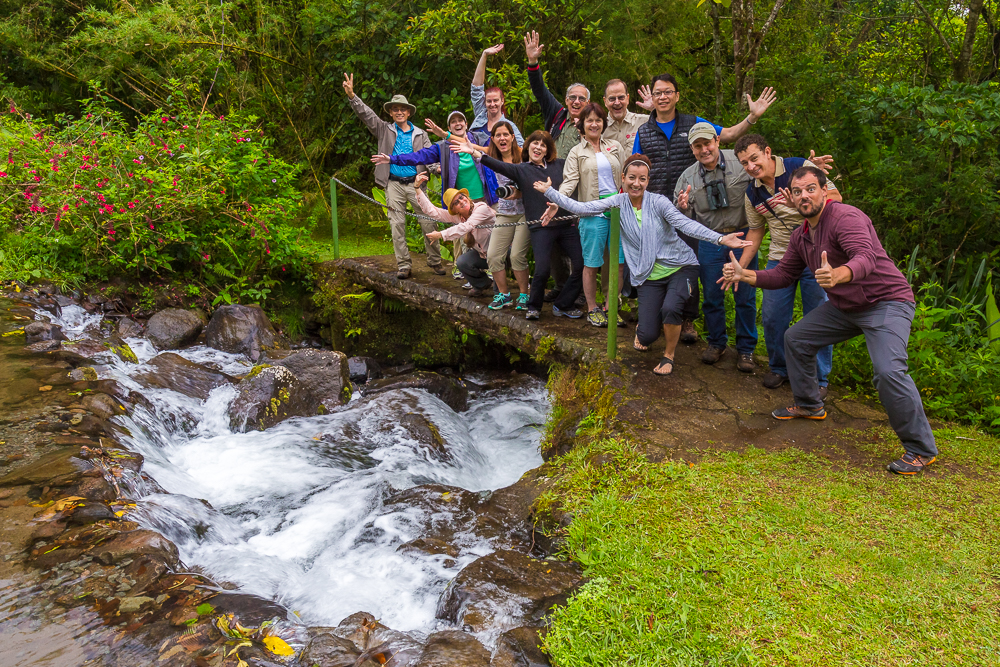
Photos and Comments from Past Costa Rica Workshops
 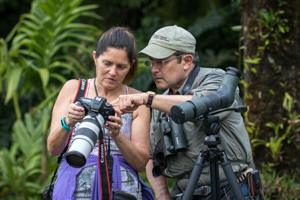
Suzanne Said... The Costa Rica sojourn far exceeded my expectations and is the best workshop I have attended to date (this was my 12th). We stayed at three very different locations, all of which were unique and special (Tortuga Lodge was outstanding), had some great local food, met some good people, and saw many different birds and animals, it was awesome! Thank you Ap Cad instructors Scott and Ellie, and our Costa Rica Expedition guides Charlie and Nino, for an exceptional workshop and experience!
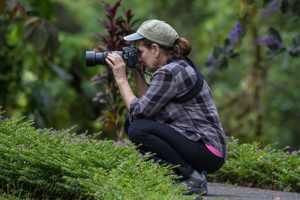
Patricia Said... Really enjoyed the experience, which was also my first group trip. Ellie and Scott are terrific and always there to help with your camera or suggestions about how to get a better shot. The trip was fabulous -- while Bosque de Paz was nice, with that as a starting point, the rest of the trip felt like dying and waking up in heaven. Arenal Observatory and Tortuga Lodge were FANTASTIC! I am ready to sign up for more workshops and classes!
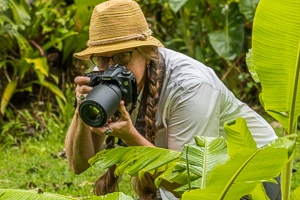
Juni Said... Awesome workshop. By far exceeded my wildest expectations.
Instructors, guides, variety of wildlife, accommodations, food, all were amazing.
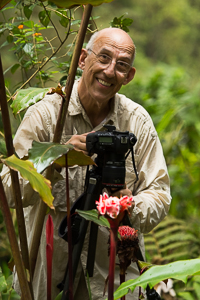
Lee Said... I purchased a Macro lens prior to this trip and was clueless on its use. As soon as we arrived I ventured into the Hotel Bougainvillea garden and started shooting. With instructions from Ellie on camera set-up for hand-held macro photography plus compositional pointers I captured 1:1 colorful flowers. The next challenge was Humming Bird and Bird Photography - the Humming Birds were close but oh so, so fast - thank you Scott, Ellie and our guide Carlos (Charlie) for both technical and compositional assistance - Next was the wildlife in Tortuguera - Frogs, Howling & Spider Monkeys, unbelievably magnificent Birds, Caymans, Colorful Lizards, Iguanas, Porcupine, etc, etc - shooting while standing in a flat bottom boat that sways, at both short and very long distances and in varying light - ultimately I captured 100s of beautiful wildlife/flowers that were in focus. Wow, what an experience....with a terrific group of fellow photographers. I can't wait for the next Aperture adventure!
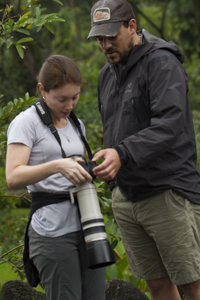
Zvia Said... Another great workshop with Ellie and Scott! I have done 6 or 7 weekend workshops with Aperture, but this was my first Sojourn trip, hopefully not my last. The hotel accommodations, food, transportation and in-country guides were all top notch. Thoroughly enjoyed the company of my fellow photographers and learned so much: how to utilize ISO properly in overcast conditions, how to shoot hummingbirds and the abundance of wildlife constantly on the move, techniques for great flower photography and new ideas for creative composition! Came home with tons of keepers and wowed family and friends with some great wildlife images. Looking forward to [more] Aperture workshops.
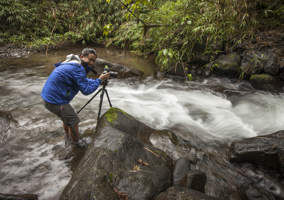
Vivienne Said... Thank you, Ellie and Scott, for doing all the scouting with Charlie. The spots you took us to were very special and great! So many things to photograph. And thanks to all the other workshop attendees - it was such a nice group to be with. More kudos to Charlie and Nino for taking good care of us all and for making sure all the travel logistics went smoothly.
I do have to clarify - Andrew found most of the frogs, I found one! Despite the mosquitoes and the heat, the night trek into the jungle was so much fun.
This was definitely a wonderful experience.
Pura Vida!

Doug Said... Thank you, Ellie and Scott, for doing all the scouting with Charlie. The spots you took us to were very special and great! So many things to photograph. And thanks to all the other workshop attendees - it was such a nice group to be with. More kudos to Charlie and Nino for taking good care of us all and for making sure all the travel logistics went smoothly.
Ellie and Scott did a great job in showing the group areas of Costa Rica that would have been difficult or impossible to plan on your own. I still see hummingbirds in my sleep. Costa Rica is a beautiful country and we all captured some special shots.
Thanks to Charlie and Nino for keeping us safe and on track. Charlie's love and excitement of finding that unique bird was amazing. I always learn new photography techniques and composition ideas from both Scott and Ellie.
I believe it took me to hitting the Wisconsin cool air to stop sweating from the night walk through the jungle.
Thanks again,
Pura Vida
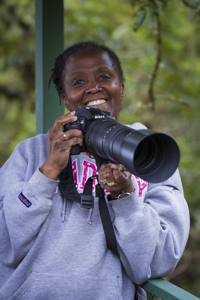
Sandra Said... I had the time of my life. I learned so much and really enjoyed all of the beautiful places that we stayed. I got such a kick out of seeing so many others that enjoy photography like I do.
Hats off to my instructors Ellie and Scott. Our guide and driver were excellent also. I can still here Charlie saying did you get the picture Sandra? I definitely plan on doing it again! Who knew taking pictures could be so much fun.
Pura Vida!
|